When a Logo Change Becomes a Cultural Moment

When a Logo Change Becomes a Cultural Moment
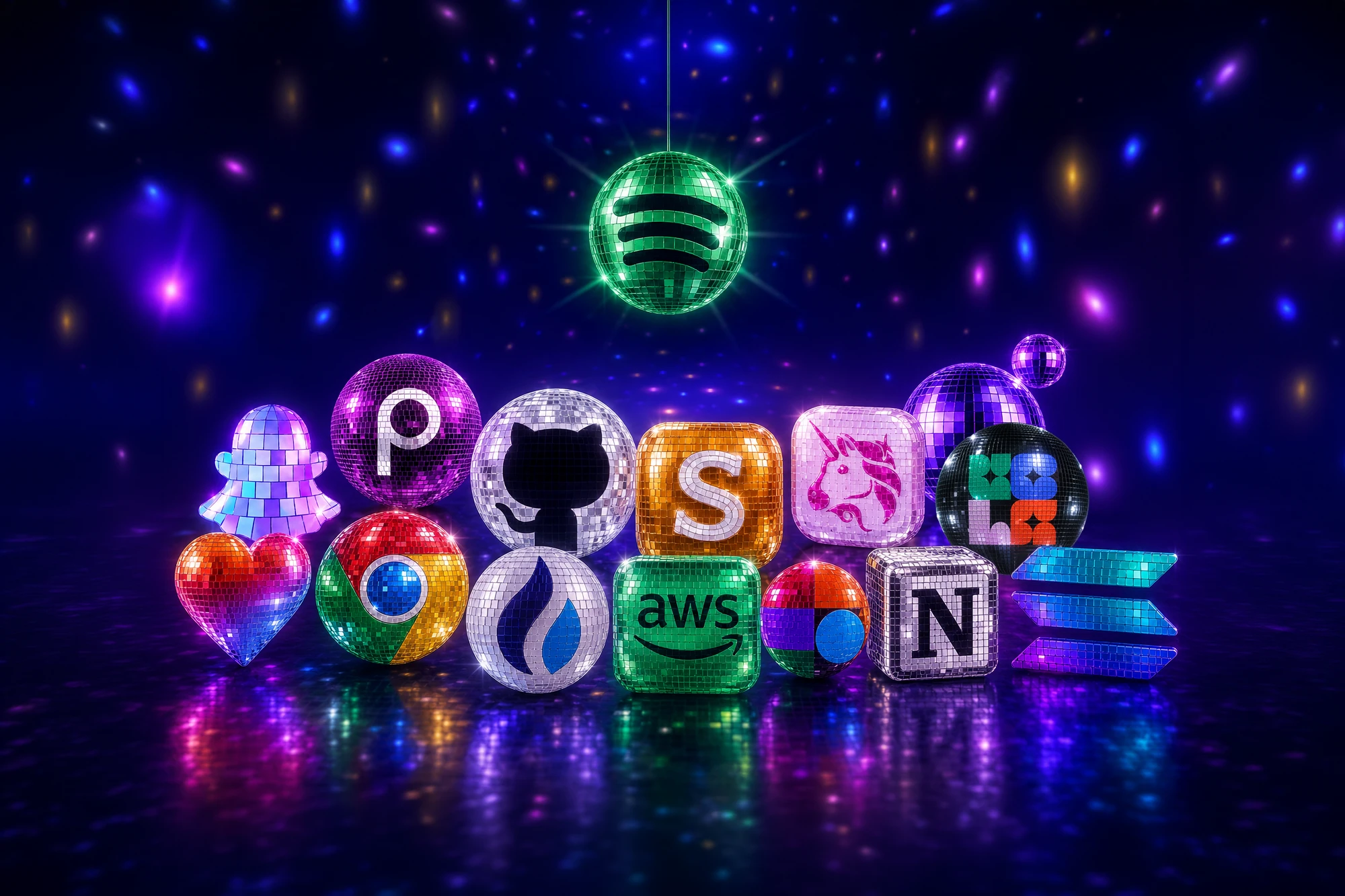
For a company built on playlists, culture and personal taste, Spotify changing its logo for its 20th anniversary was always going to get attention. What was interesting wasn’t just the redesign itself. It was the reaction.
At first, people questioned it. Some thought it looked strange. Some didn’t understand it.
Others asked why such a recognisable brand would even bother changing in the first place.
And then something happened... everyone started talking about it.
Soon after, brands everywhere started creating their own versions. The trend moved quickly across social feeds, businesses jumped on board, and what started as a brand refresh turned into a wider cultural moment online. Including us, because whether people loved it or hated it at first, it worked.
Good branding gets people reacting
One of the biggest misconceptions in design is that good branding should feel instantly comfortable but the brands that shape culture rarely play it safe.
They evolve.
They experiment.
They shift with the times.
And importantly, they give people something to respond to.
Spotify’s anniversary rollout wasn’t just about changing a logo. It was about creating conversation around the brand again. That’s what strong marketing does.

Trends matter because attention matters
There’s often debate around brands “jumping on trends" but the reality is, trends exist because they capture attention. The key isn’t blindly copying them. It’s understanding why people are engaging with them in the first place.
In this case, the Spotify trend worked because it combined:
- Nostalgia
- Celebration
- Personalisation
- Familiar branding
- Shareability
It gave brands and people a format they wanted to participate in and participation is one of the strongest forms of engagement you can get online.
Why we jumped on it too
As a marketing agency, we look at trends through a different lens.
Not “should we copy this?” but “why is this connecting with people?”
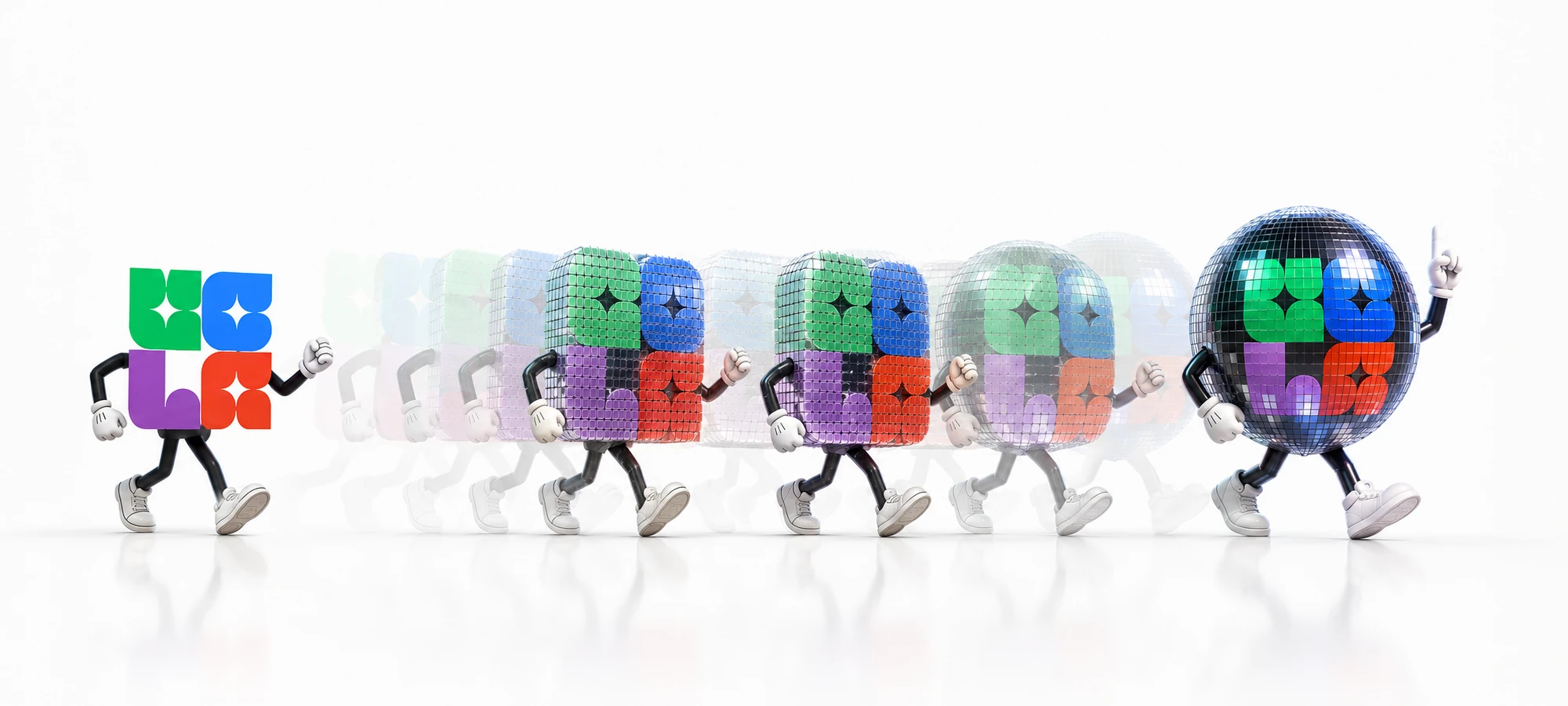
The Spotify anniversary trend was simple, recognisable and culturally relevant. It gave brands a playful way to celebrate identity while still feeling current. So we joined in.
Not because every trend needs to be followed but because understanding internet culture and knowing when to participate is part of modern marketing.

Design doesn’t stand still
One of the most important parts of branding is understanding that brands are living things.
They evolve with:
- Audience behaviour
- Culture
- Platforms
- Design trends
- The way people consume content
The brands that refuse to move eventually start feeling dated. That doesn’t mean changing for the sake of it. It means knowing when evolution makes sense.
The bigger takeaway
The Spotify logo moment was never really just about a logo. It was about relevance.
It showed how quickly design, branding and social culture now overlap and how the brands willing to participate in culture are often the ones that stay top of mind.
Because today, attention isn’t only built through advertising, it’s built through participation, and sometimes, the brands people remember most are the ones willing to have a little fun with their identity along the way.
Other Insights